👋 Welcome to my technical blog!
I write about Data Engineering, Rust, Go, Python and open source technologies.
Exploring lakehouse architectures, real-time streaming and the modern data world.
👋 Welcome to my technical blog!
I write about Data Engineering, Rust, Go, Python and open source technologies.
Exploring lakehouse architectures, real-time streaming and the modern data world.
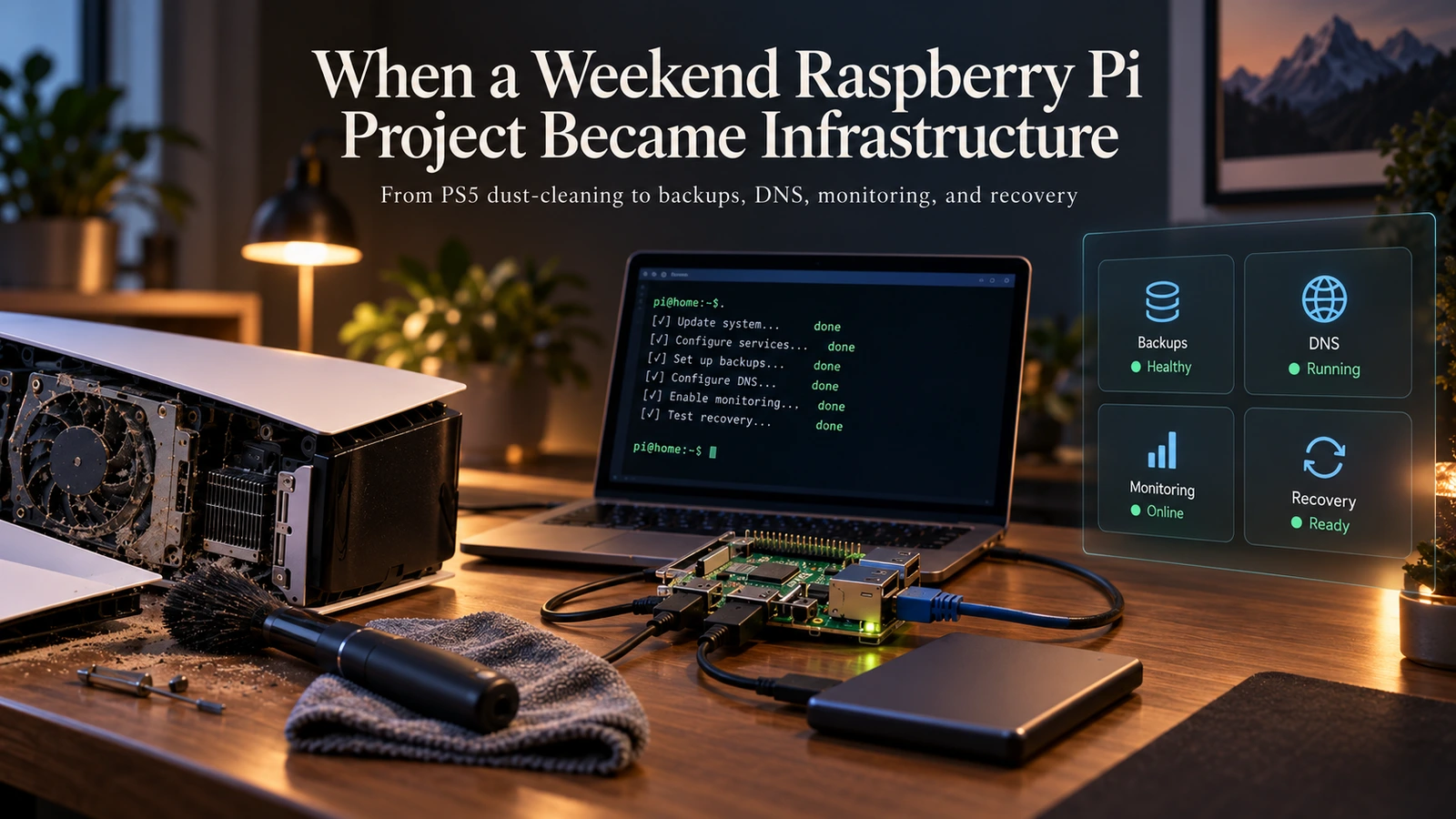
Saturday I cleaned a PS5. By Sunday evening a 4 GB Raspberry Pi was running my DNS, a password vault and offsite backups, and the lessons had spun off into Lares, a small public stack built around what happens when things fail. On Monday it bit back.
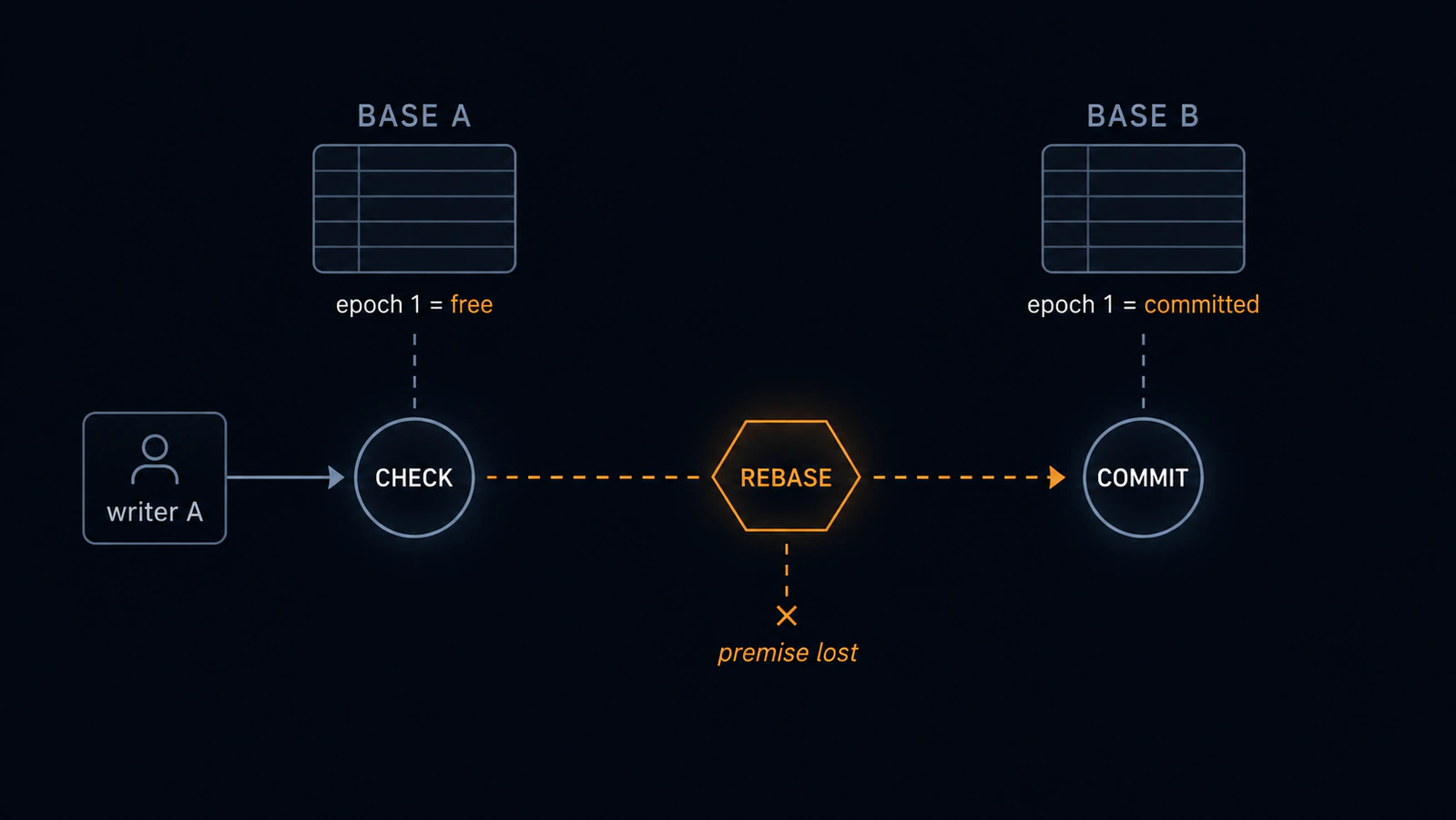
A falsification experiment with a written kill list and a negative result. Delta has a purpose-built idempotent commit; iceberg-rust rebases a transaction onto a base the caller never checked, so an external writer cannot make a commit conditional. The green concurrency test was a false pass — 0 of 40 rounds ever raced — and only a failpoint showed the duplicate.

I started with Milan in Championship Manager 03/04, went through an almost perfect auction and a season shaped by injuries, then built Fantabuddy on holiday: a system that turns player lists, history and APIs into an auditable auction report.
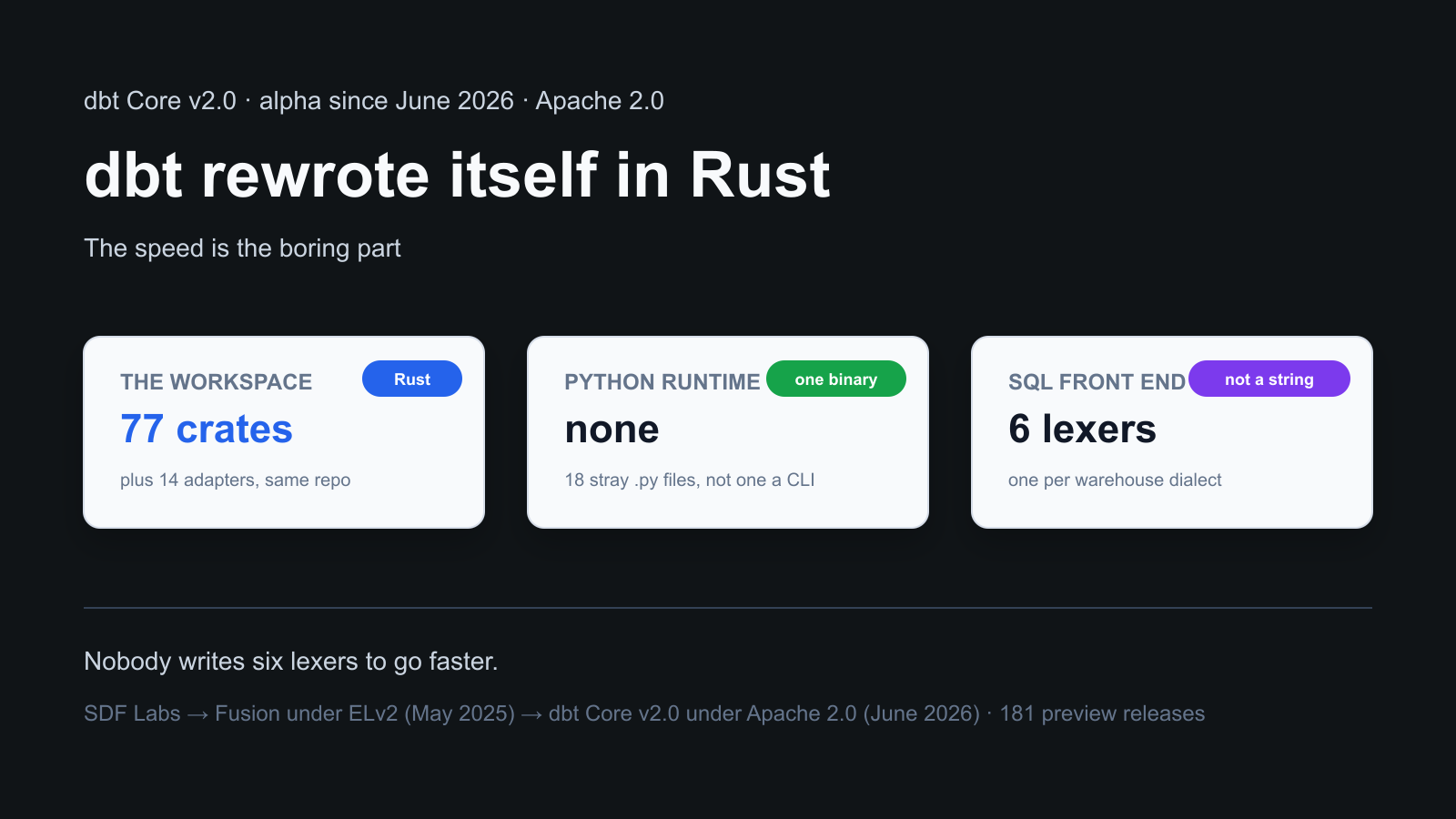
I opened a bug report against dbt and found a codebase nobody had told me about: 77 Rust crates where the Python used to be. This is what the rewrite is actually for, why the marketing undersells it, and what I broke loose while poking at it — two fixes, both for bugs that never printed an error.
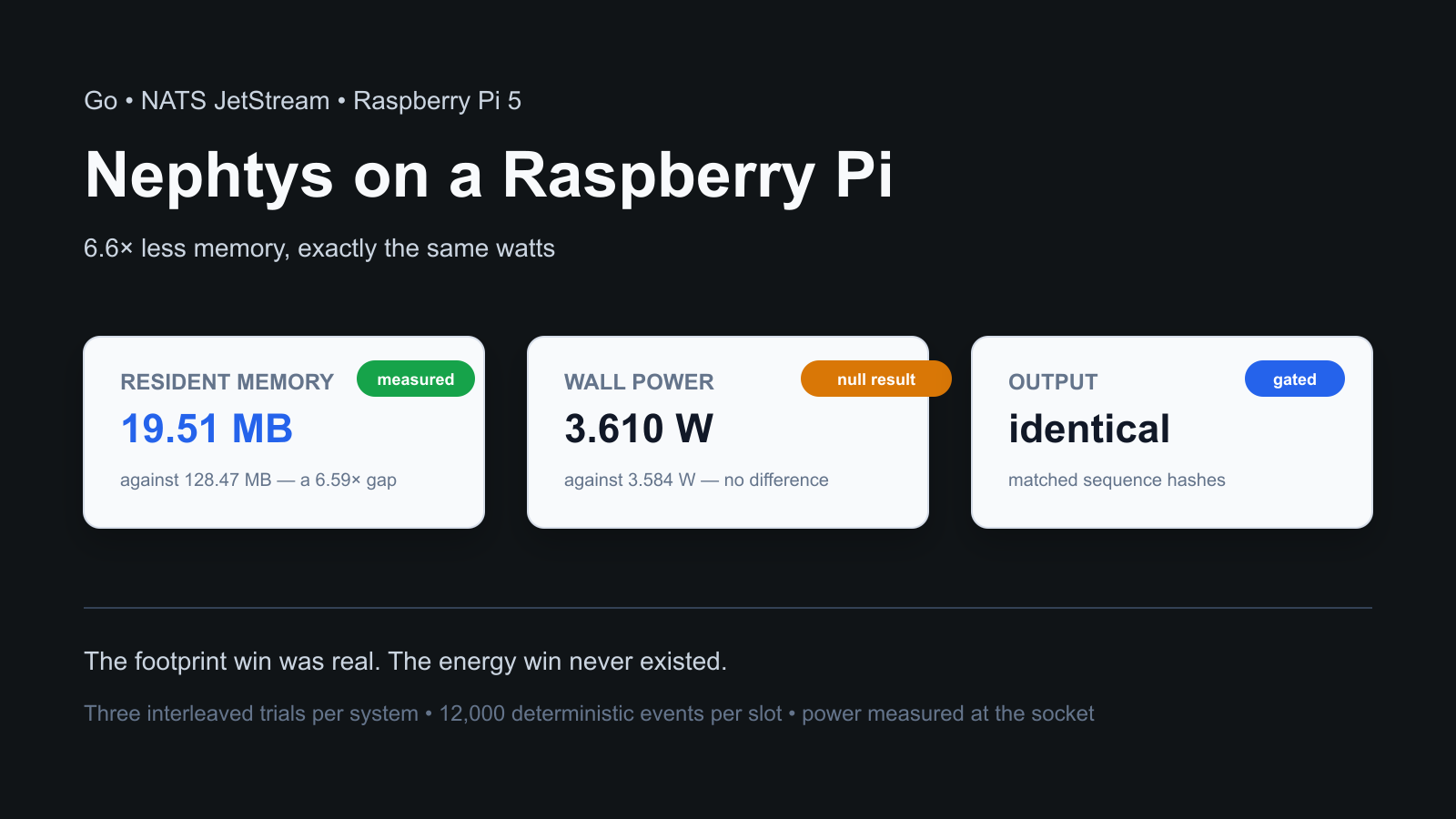
I had never publicly written about Nephtys, and the first thing I have to report about it on real hardware is a null result: the memory advantage reproduced on a Raspberry Pi 5, the energy advantage never existed.
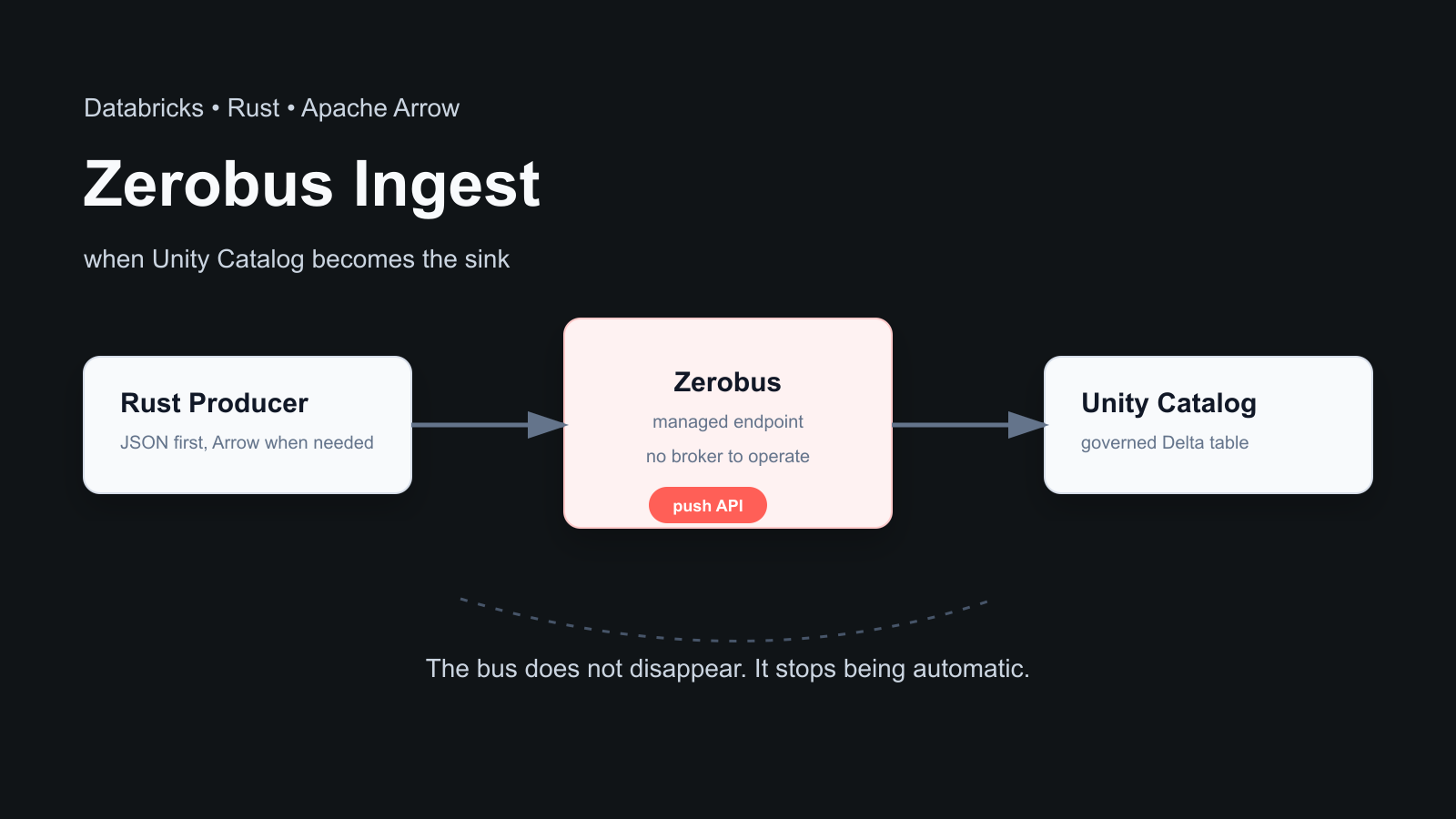
In the dlt+dbt post the contract was a Unity Catalog schema. With Zerobus Ingest I moved the same question to the producer edge: when the sink is already a governed Delta table, do you really need a bus in the middle?
Python-native ingestion with dlt (dlthub), SQL transformation with dbt, and a single Unity Catalog schema as the contract between them. Notes from wiring them together on a real Databricks workspace — including the naming collision that bit me in actual code.
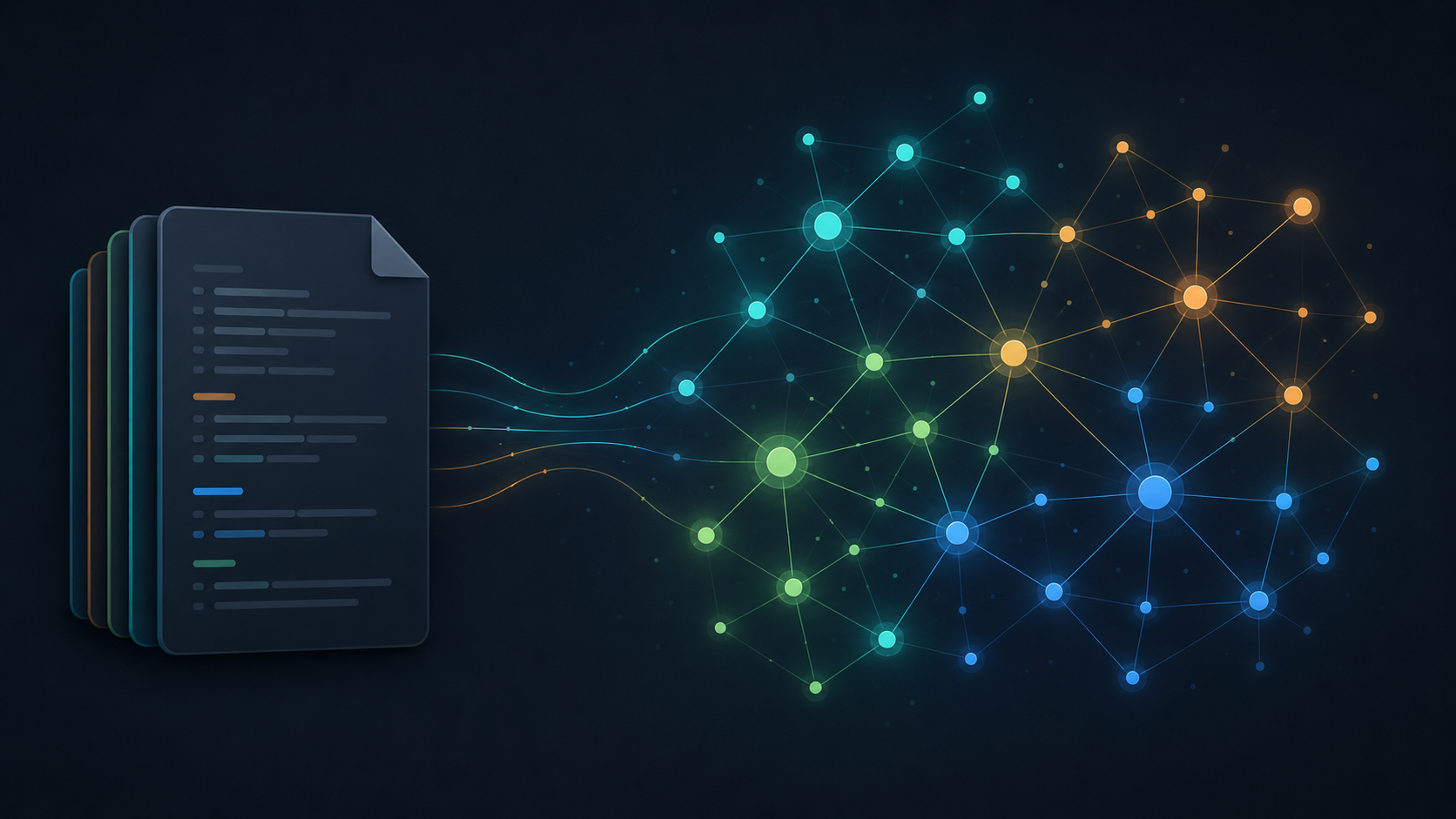
Brain is a Git-backed Markdown knowledge base. Brain UI is the Rust/Leptos control plane on top of it. This is the system, the connection between the two halves, a real config-driven taxonomy, and the honest reasons I’m putting the core in the open.
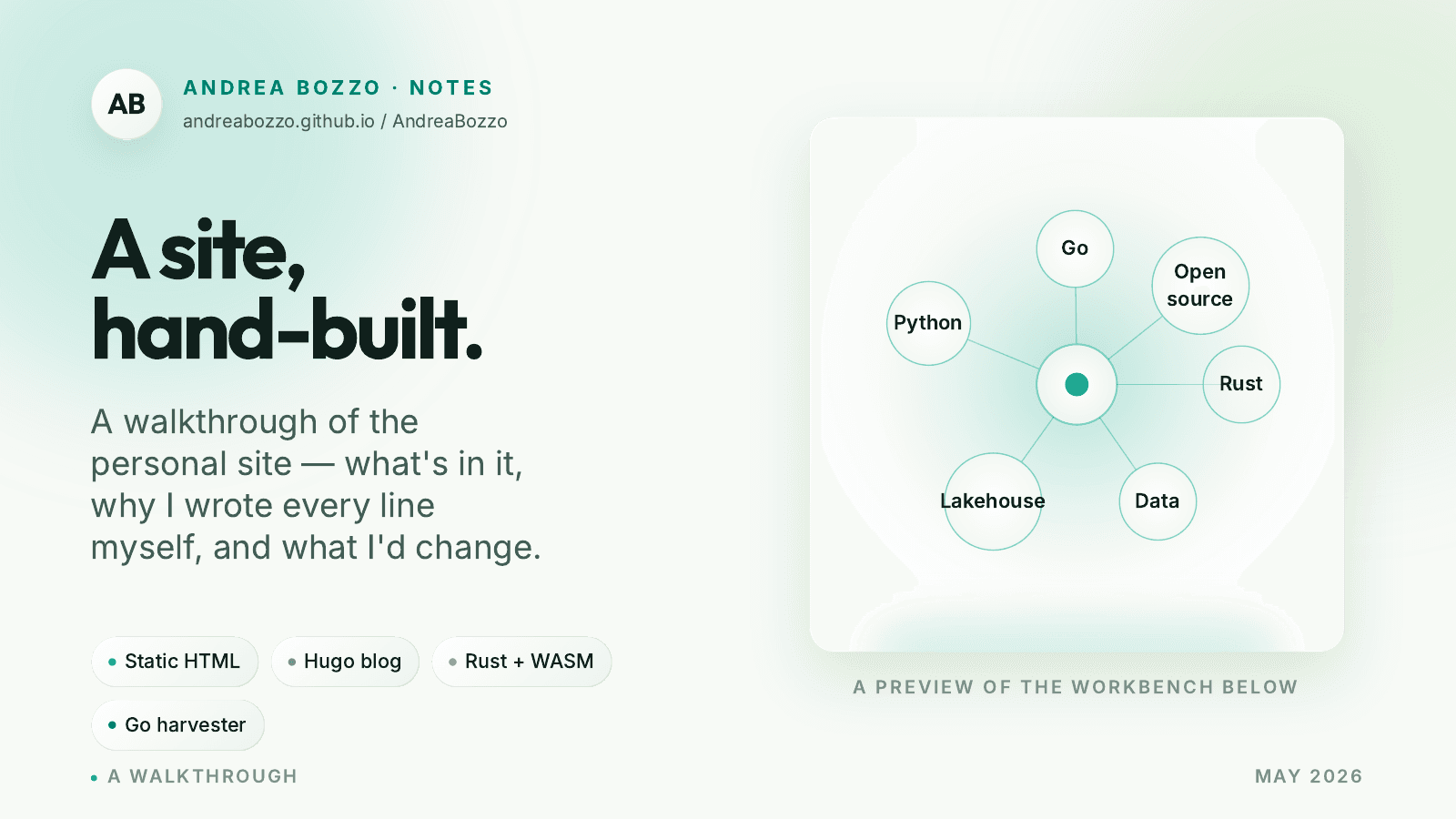
How I rebuilt my personal site as a versioned, reproducible static-site system with clear separation between landing page, blog, generators, and a small Go API companion.
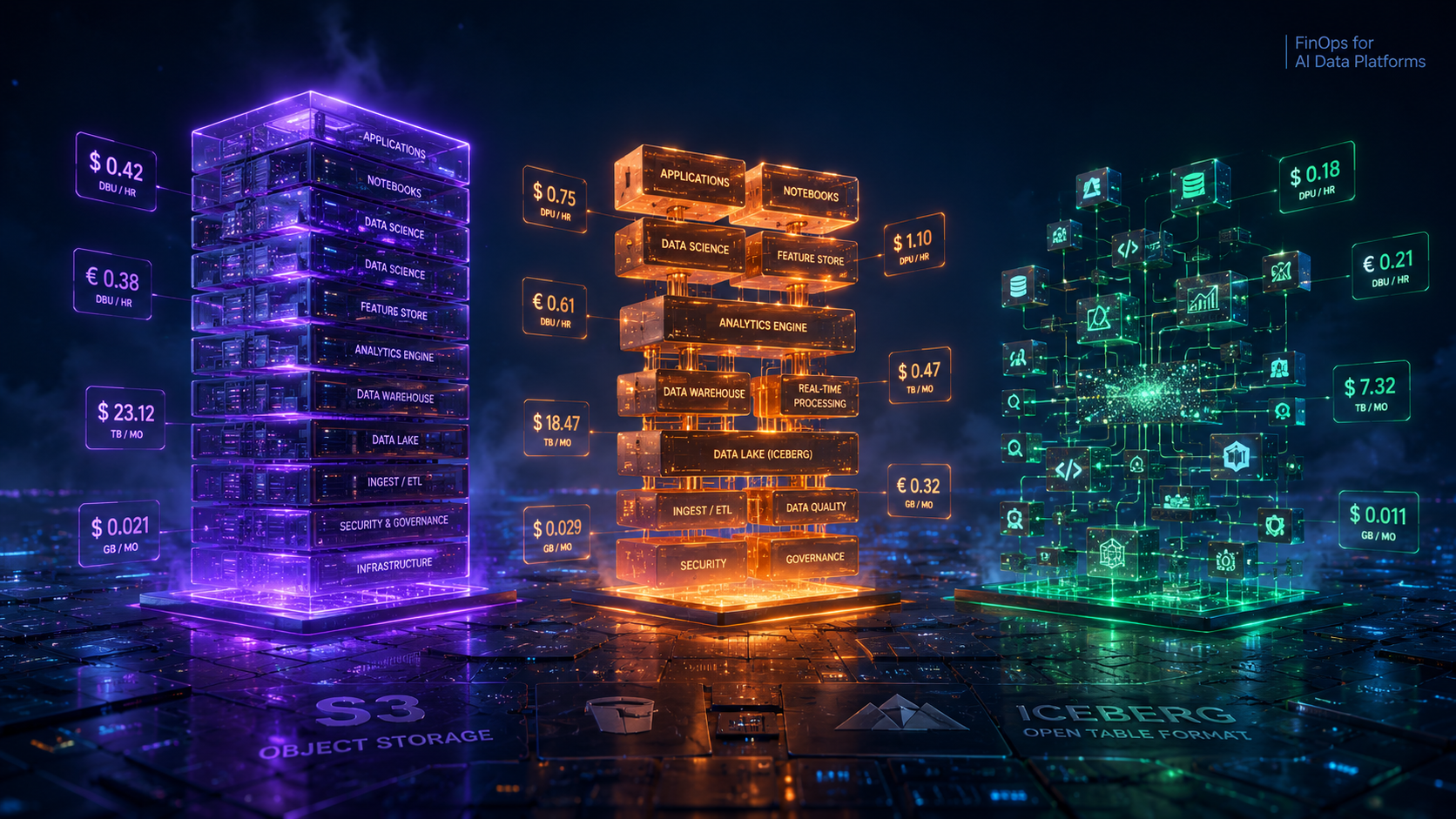
Three lakehouse stacks for adding AI/ML and streaming on top of an existing warehouse, compared through a FinOps lens: DBUs, DPUs, TB-scanned, S3 GB-month, and egress, walked through real workload patterns with 2026 prices.